The Old Man of the Bugiada
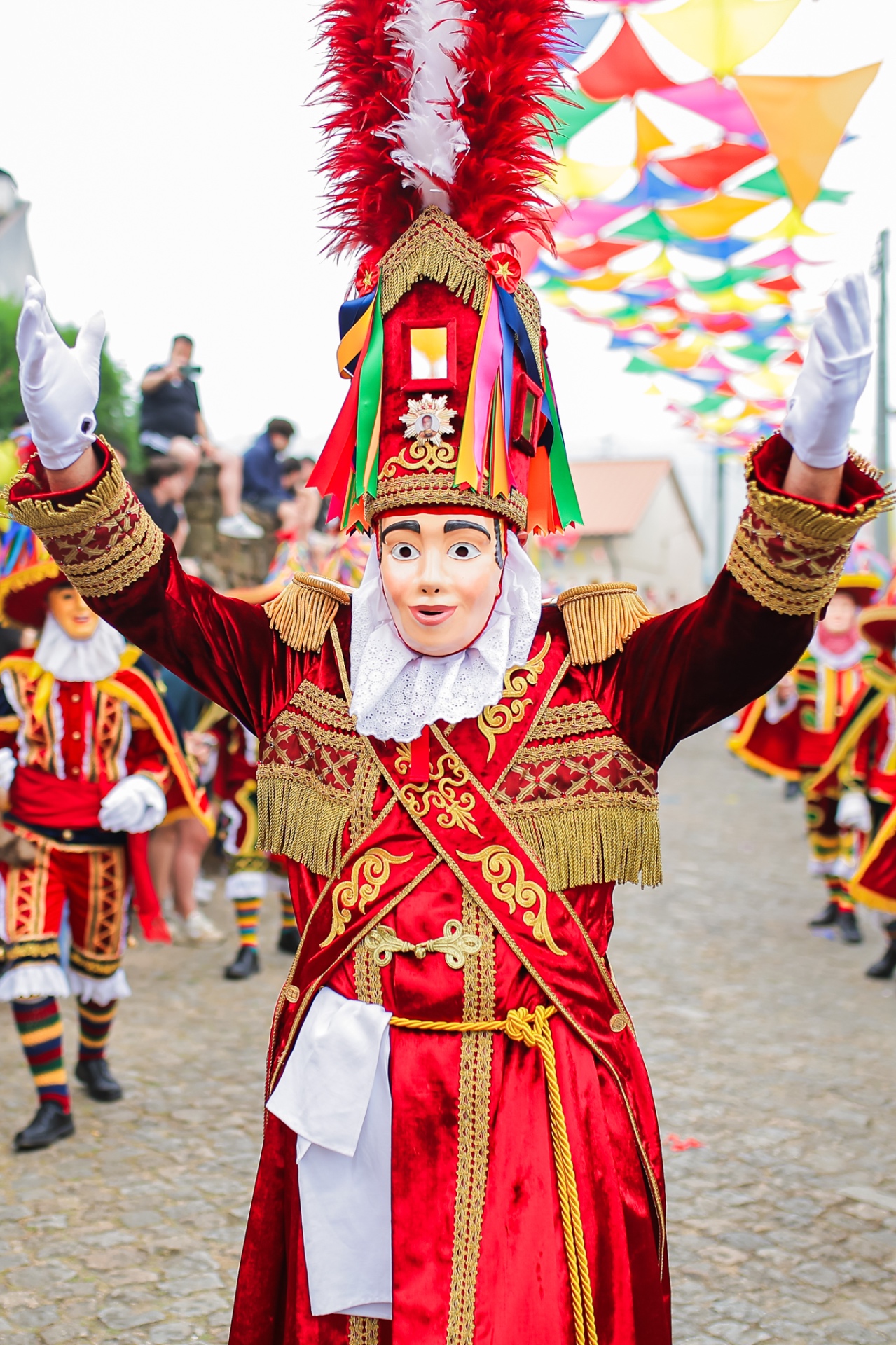
The Old Man of the Bugiada is the central and most charismatic figure of the entire festival. He represents an elder, leader of the Bugios, who commands the group with authority and humour. He wears a wooden mask with aged features, a long beard and a wide-brimmed hat.
He is responsible for leading the Bugios in dances, processions and the various rituals throughout the day. His presence is constant and indispensable, as he gives the orders and sets the rhythm of the Bugiada.
The Bugios
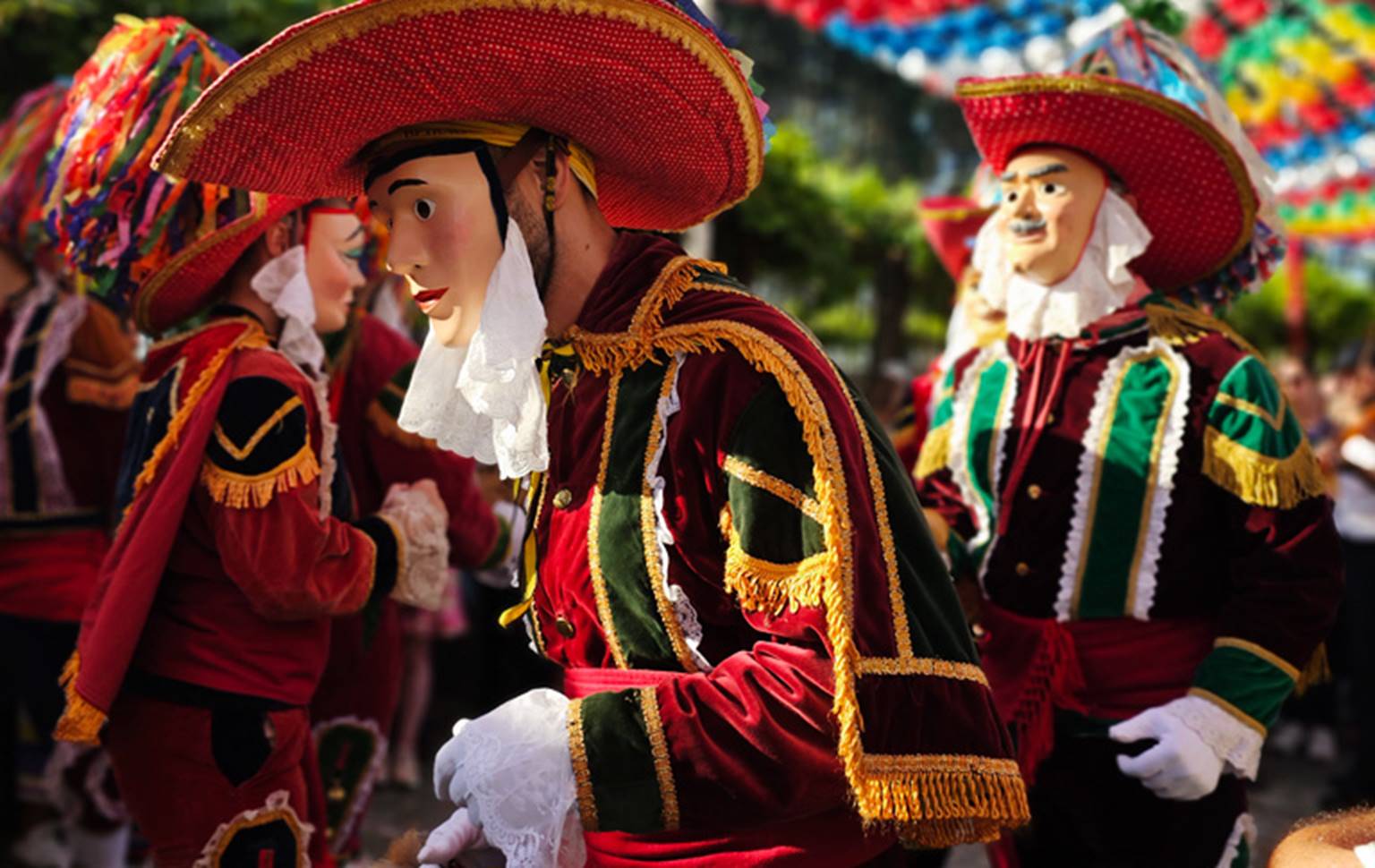
The Bugios are the most numerous and visually striking group of the festival. They represent the Christians of the Ferreira river valley and wear colourful, exuberant costumes with conical hats decorated with multicoloured ribbons.
Each Bugio carries a boxwood branch and an inflated pig bladder, which they use to playfully strike spectators. Their dances are energetic and noisy, creating an infectious festive atmosphere.
Throughout the day, the Bugios participate in various rituals, including the Imprisonment of the Old Man, the Serpent and the dances in the square. They are figures of great symbolic importance in the representation of the conflict between Moors and Christians.
The Child Bugios
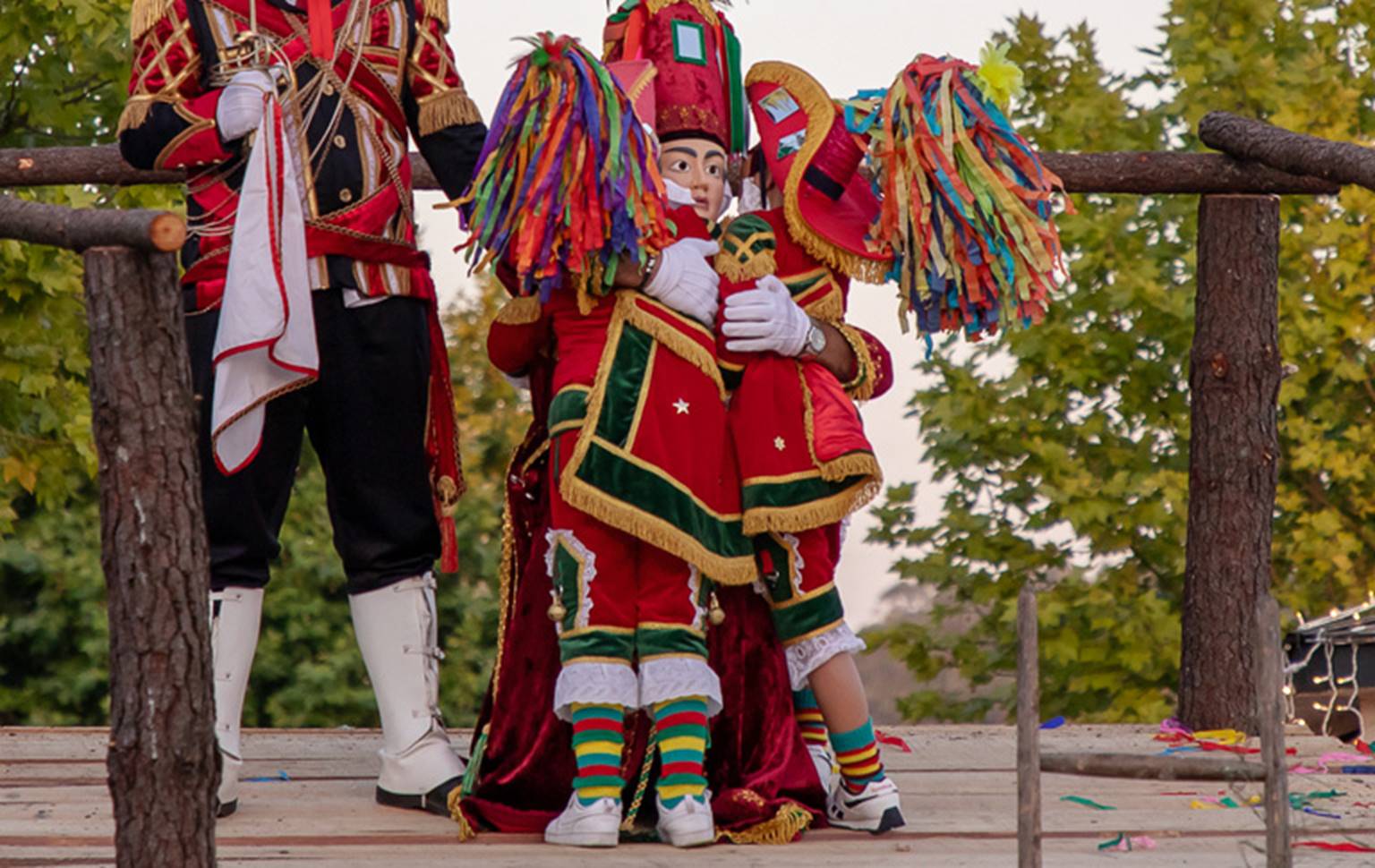
The Child Bugios are the youngest participants of the Bugiada, representing the continuity of the tradition. They wear costumes similar to those of the adult Bugios, but in smaller sizes, and actively participate in the rituals.
Their presence symbolises the intergenerational transmission of this centuries-old tradition, ensuring that knowledge and practices remain alive. They are accompanied by the older Bugios throughout the festive day.
The Musicians of the Bugiada
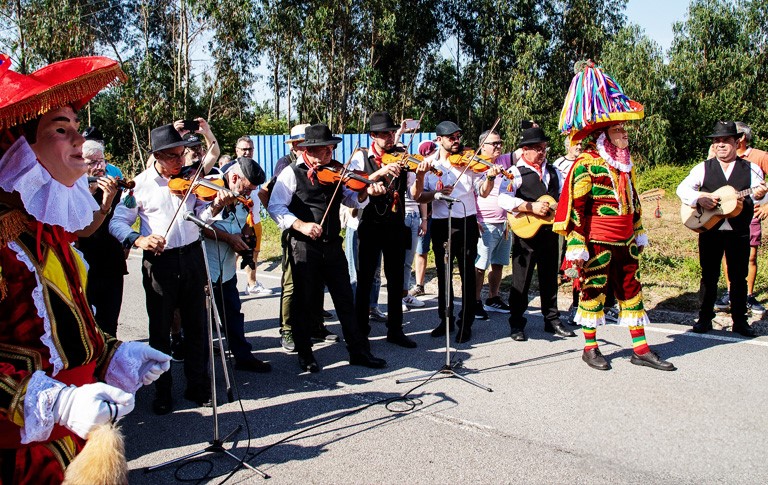
The Musicians of the Bugiada accompany the group with violas, violins and other traditional instruments. They are responsible for the soundtrack that sets the rhythm of the dances and processions throughout the day.
The music of the Bugiada is transmitted orally from generation to generation, with specific melodies for each ritual moment. The musicians hold a prominent place in the group formation.
The Serpent
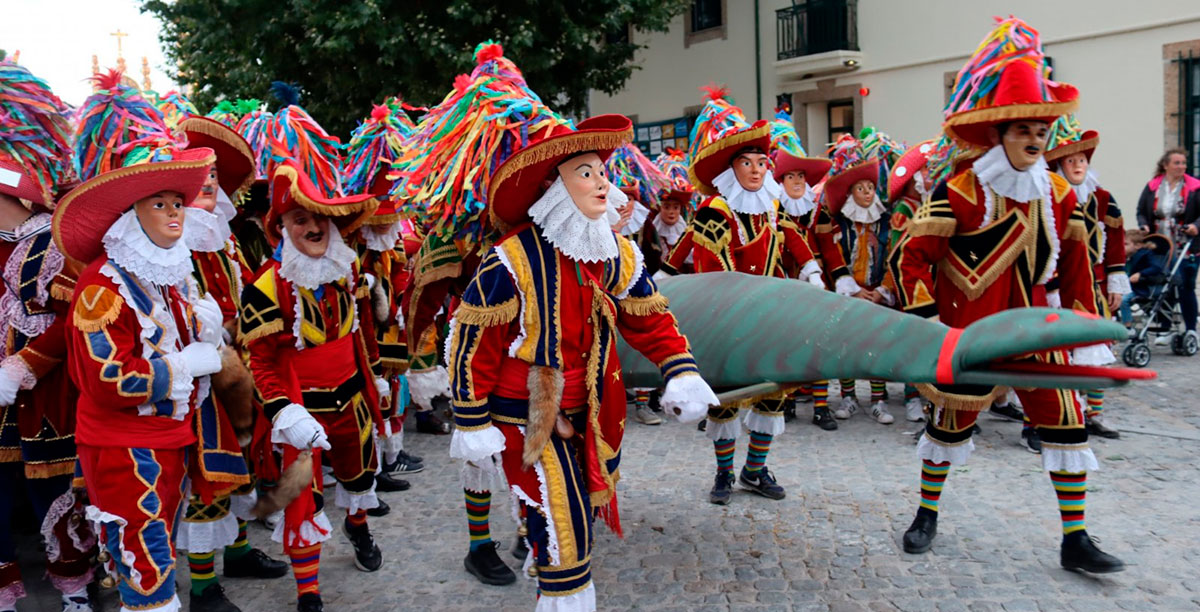
The Serpent is a mythical figure — a giant snake carried by the Bugios through the streets of Sobrado. It represents the dragon or serpent of legend, a symbol of evil defeated by Christian faith.
Built on a wooden and fabric structure, the Serpent is one of the most spectacular elements of the festival, provoking admiration and enthusiasm among spectators. Its journey through the streets is one of the most anticipated moments.
The Reimoeiro
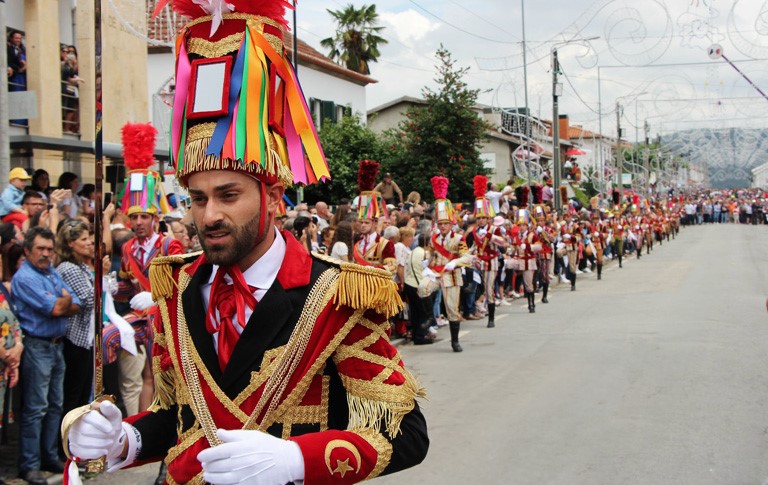
The Reimoeiro is the leader of the Mourisqueiros, equivalent to the Old Man of the Bugiada on the Moorish side. He commands the formation and dances of the Mourisqueiros with precision and authority.
He is distinguished by his elaborate costume and the prominent position he holds at the front of the formation. He is the one who sets the steps and choreographies of the Mourisqueiros' ritual dances.
The Mourisqueiros
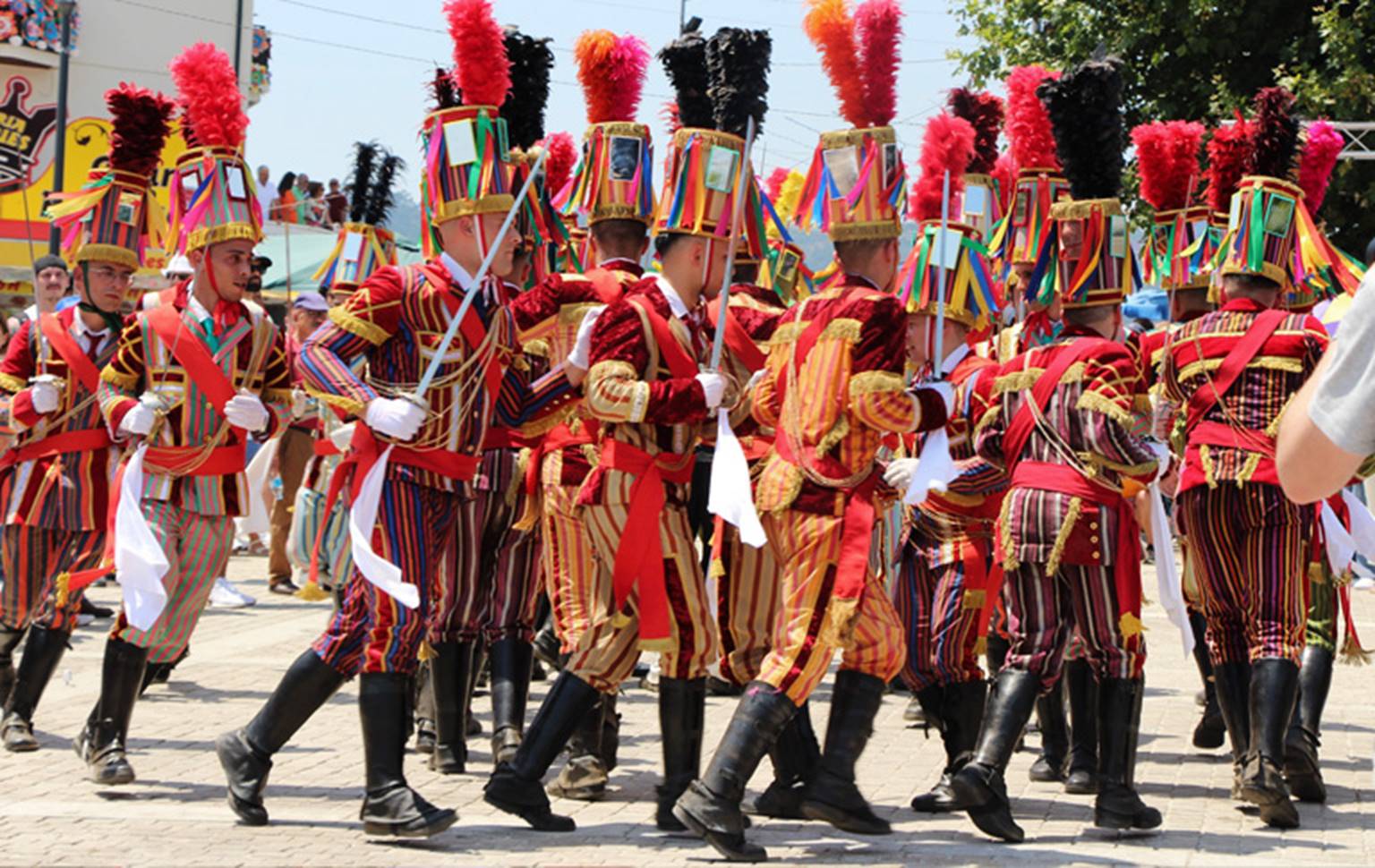
The Mourisqueiros represent the Moors (Muslims) in the re-enactment of the conflict. They wear elegant, uniform costumes with capes and decorated hats, contrasting with the colourful exuberance of the Bugios.
Their dances are marked by choreographic precision and formation discipline. They perform complex choreographies with swords and staffs, symbolising preparation for combat.
The Mouriscada has a more formal structure than the Bugiada, reflecting the order and hierarchy associated with the Moorish side of the narrative. The Mourisqueiros are an imposing and solemn presence in the streets of Sobrado.
The Mourisqueiros' Drum
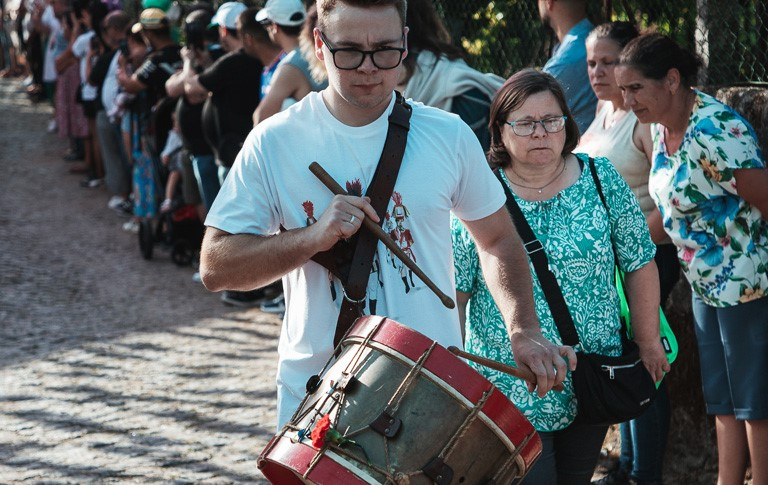
The drum of the Mourisqueiros is the instrument that sets the rhythm of the dances and marches of the Moorish group. Its cadenced sound is essential for coordinating movements.
The drummer accompanies the Mourisqueiros at all times, being a fundamental part of the musical and choreographic structure of the Mouriscada.
The Doctors of Law
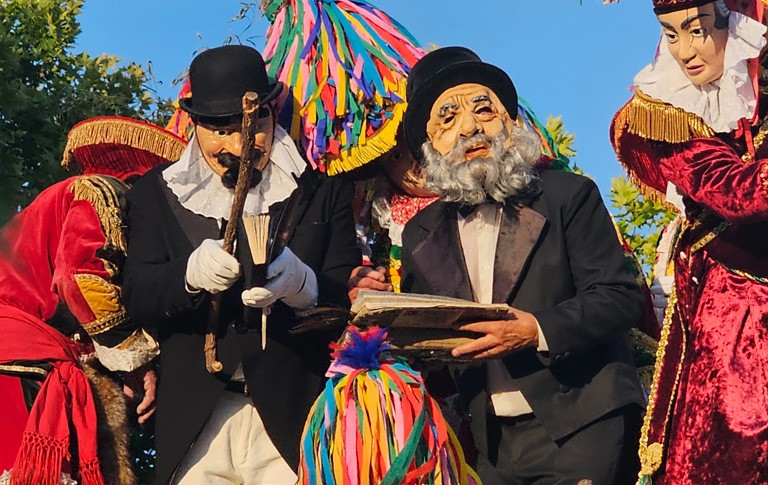
The Doctors of Law are central figures in the Conflict, representing the judges or wise men who arbitrate the dispute between Moors and Christians. They wear expressive masks and formal attire, wielding books and documents.
Their intervention is decisive in the outcome of the narrative, proclaiming the victory of Christian faith. Their dialogues, recited from memory, constitute one of the oldest and most preserved parts of the oral tradition.
The Narrator
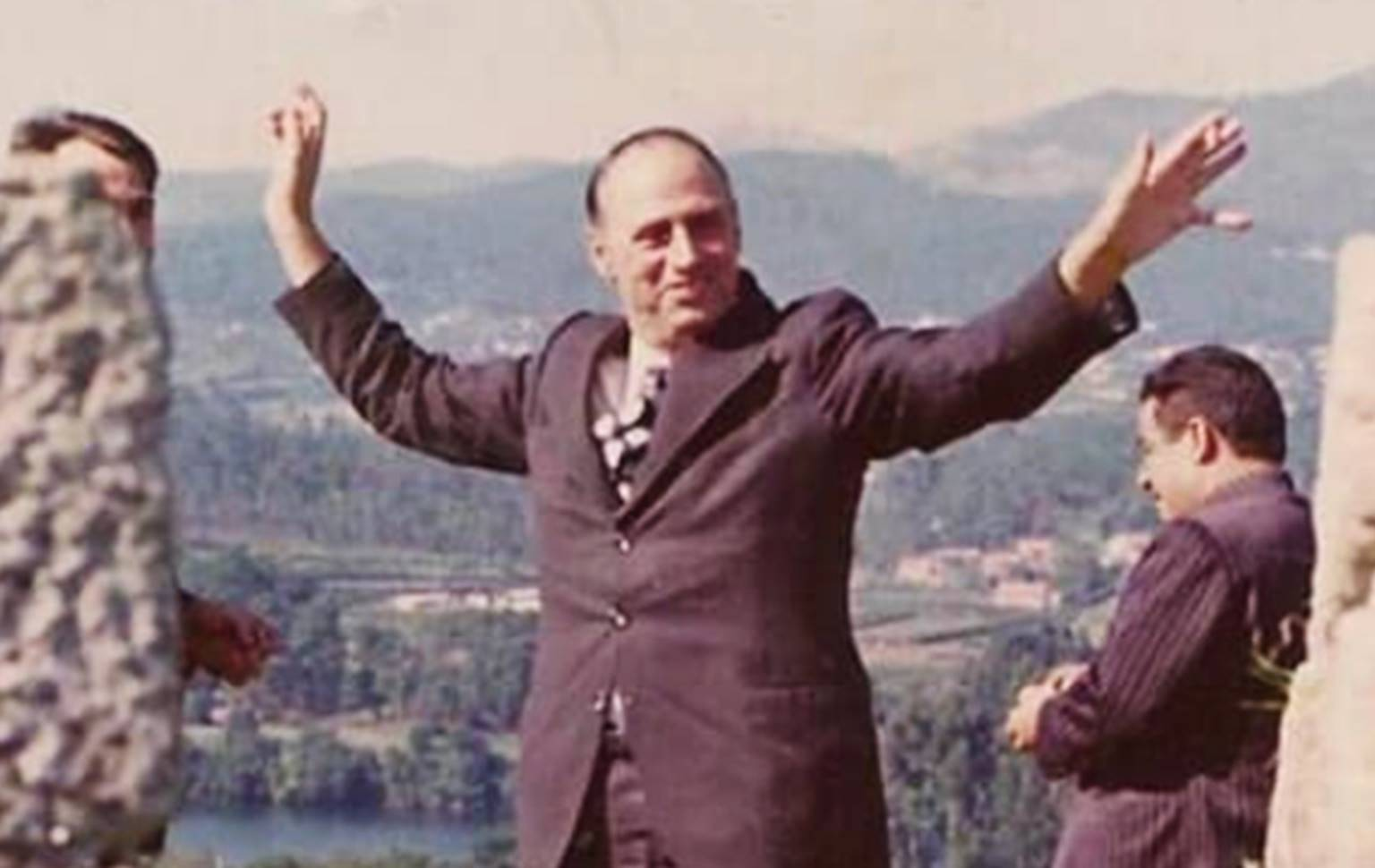
The Narrator is the voice that guides the story of the Conflict, contextualising events for the audience. He recites traditional texts that narrate the legend and the confrontation between the two forces.
His figure is fundamental for understanding the dramatic narrative, serving as a link between the spectators and the ritual action unfolding in the square.
The Messenger
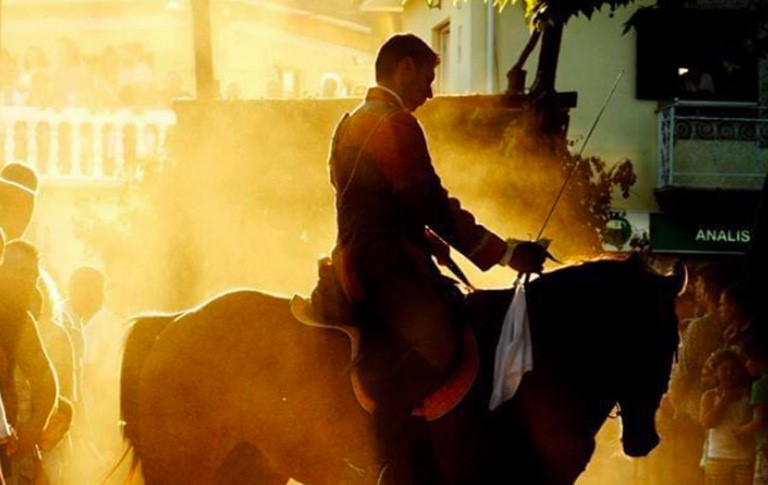
The Messenger is the figure that connects the two sides — Moors and Christians. He rides on horseback between the groups, conveying proposals, challenges and ultimatums.
His presence on horseback lends great drama to the Conflict, representing diplomacy and communication between the parties before the decisive confrontation.
The Blind Man
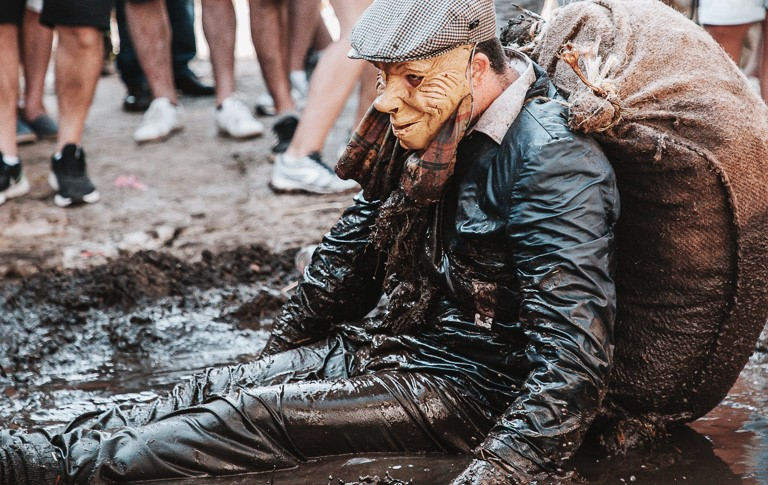
The Blind Man is one of the most comic figures of the Sapateirada. He represents a blind man who wanders through the muddy square, stumbling and falling, provoking laughter from the audience.
His interaction with the Blind Man's Boy creates moments of great humour and improvisation. Together, they perform burlesque scenes that relieve the tension of the more solemn rituals.
The Blind Man's Boy
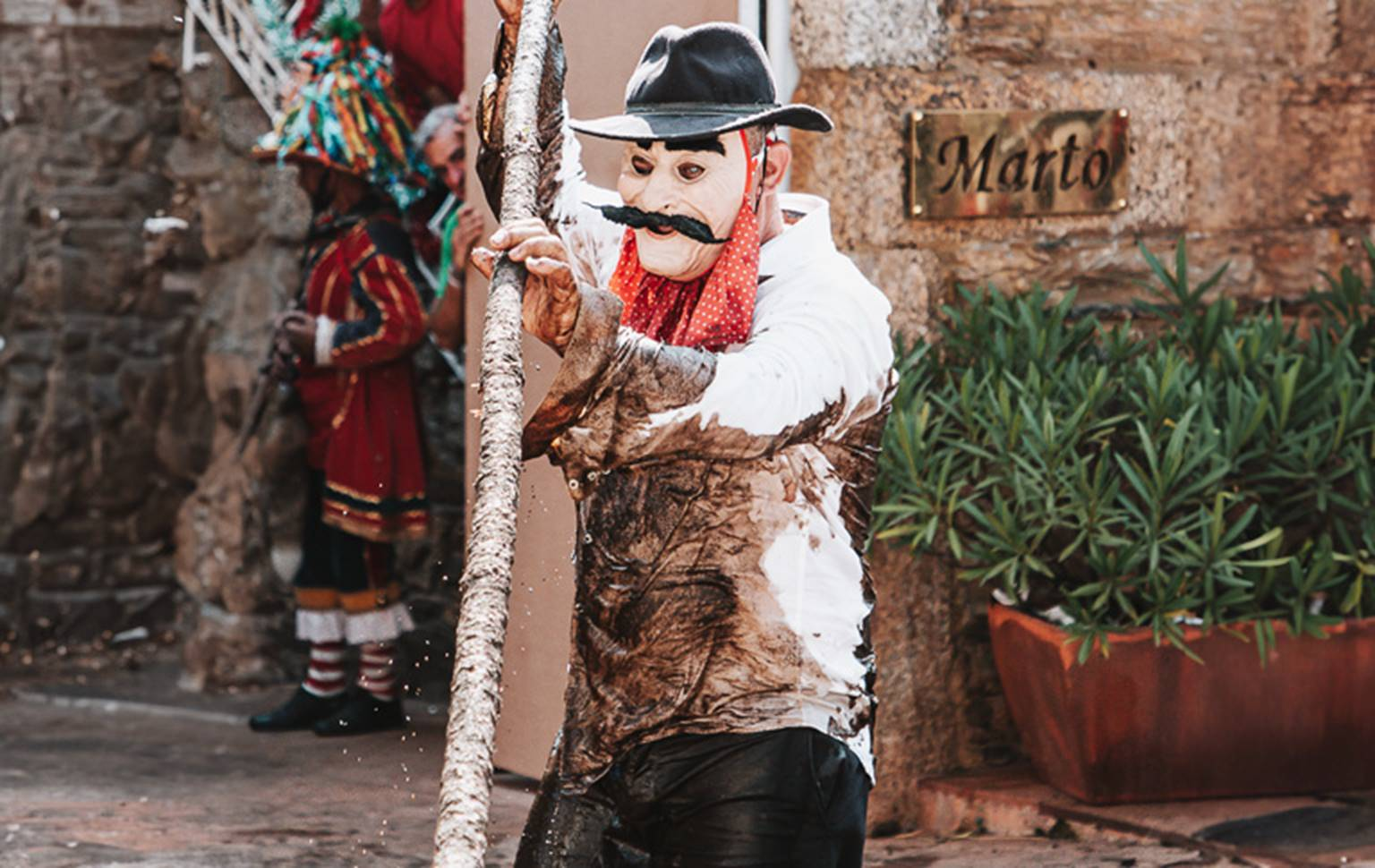
The Blind Man's Boy is the guide and companion of the Blind Man, but instead of helping him, he deceives him and plays tricks on him. With a matronly expression mask and hat, he is a figure of great comedy.
His mischief with the Blind Man constitutes one of the most popular comic acts, in a tradition of popular humour with very ancient roots.
The Cobbler
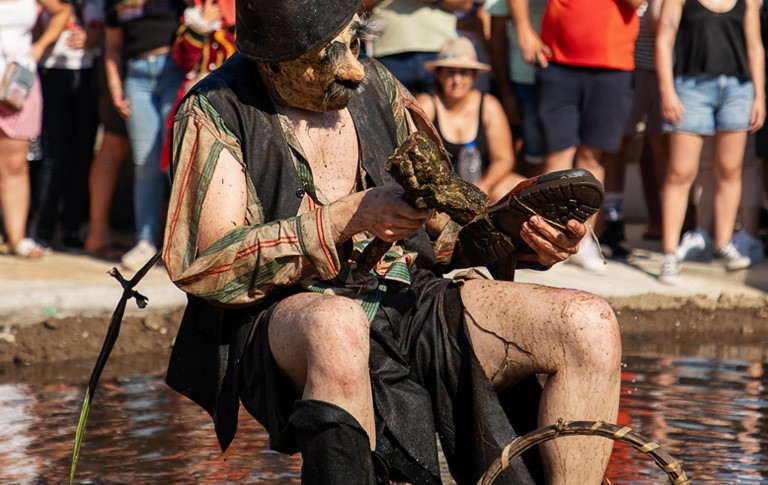
The Cobbler is the figure that gives the Sapateirada its name. He represents an artisan who tries to work amid the chaos of the muddy square, mending shoes by the water.
His presence evokes traditional trades and the everyday life of the community, contrasting with the solemnity of the religious rituals.
The Cobbler's Boy
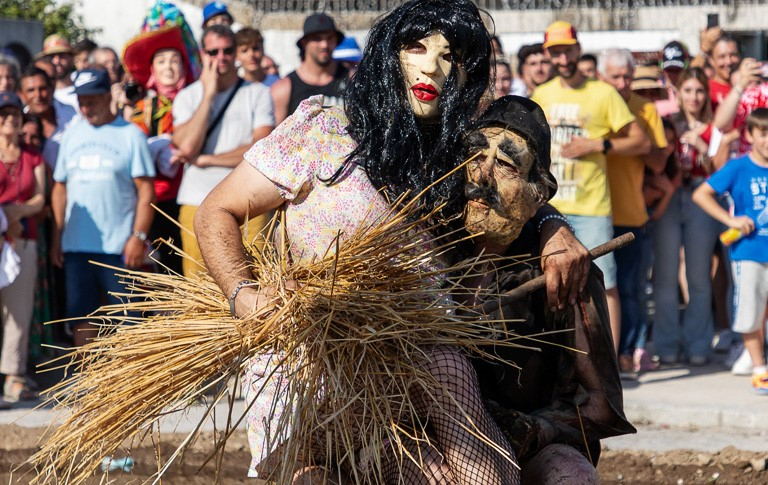
The Cobbler's Boy is the apprentice who assists the Cobbler in his trade during the Sapateirada. He participates in the comic scenes that unfold in the square.
The master-apprentice relationship between the Cobbler and his Boy reflects the traditional social structure and adds a layer of humour to the performances.
The Woman
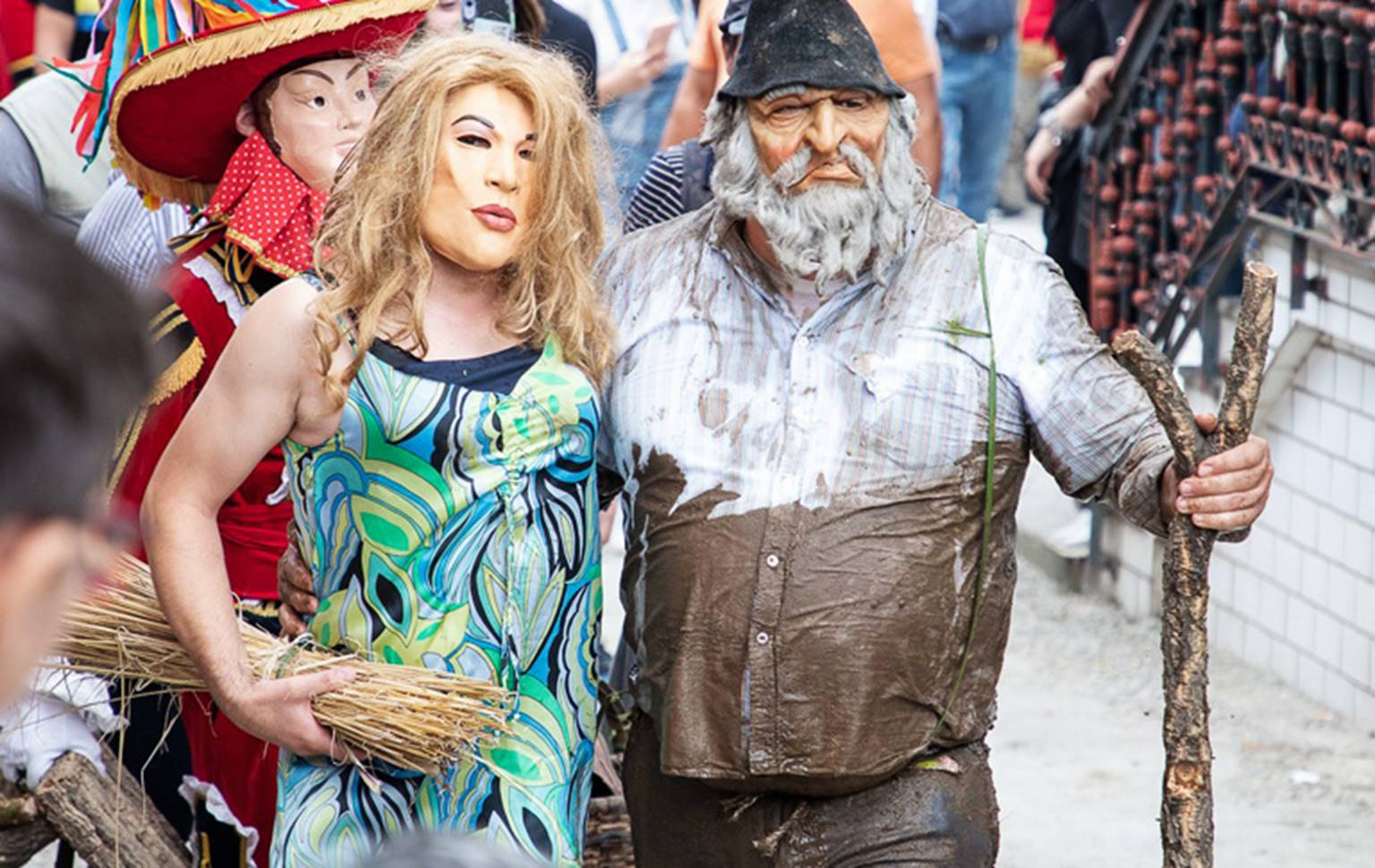
The Woman is a female figure performed by a man, following the tradition of popular theatre. With a female mask, wig and dress, she interacts with the other figures of the Sapateirada.
Her presence adds comic dynamism to the scenes, performing burlesque interactions with the Blind Man and other figures in the muddy square.
The Tax Collector
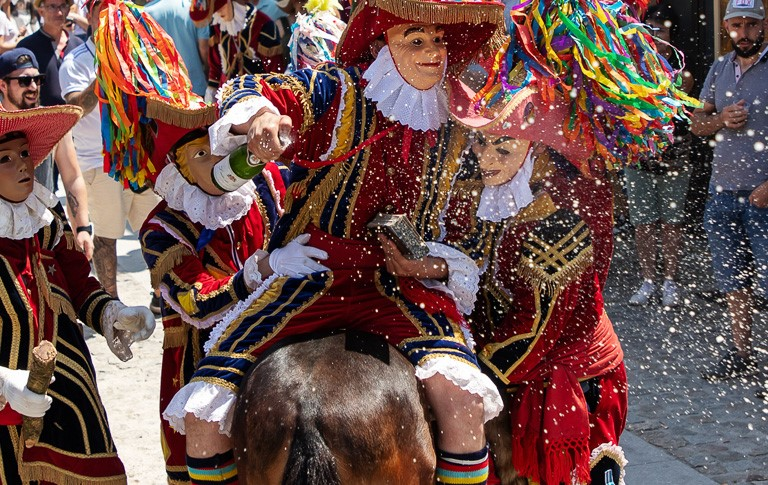
The Tax Collector is a figure mounted on horseback who rides through the square during the Ploughing, symbolically collecting rents and tributes from the farmers.
His presence on horseback confers authority to the scene, representing lordly power over the land and agricultural workers.
The Sower
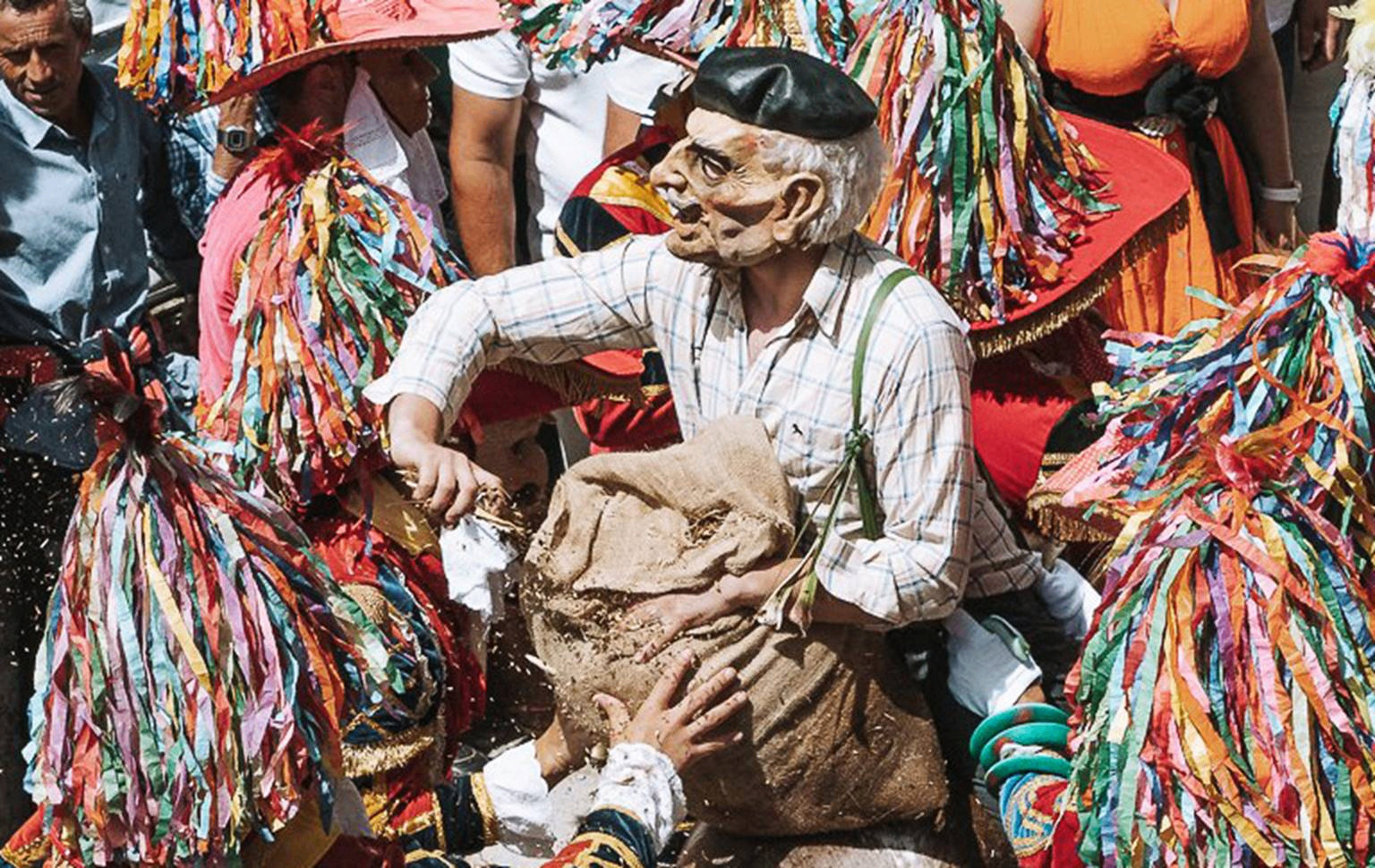
The Sower is the figure who casts seeds on the ploughed earth during the Ploughing of the Square. With a burlap sack, he symbolically spreads seed across the muddy square.
The Harrower
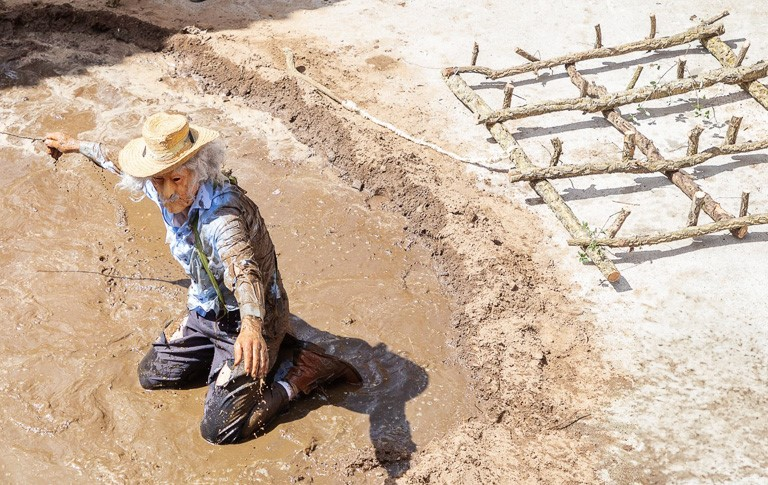
The Harrower pulls the harrow through the muddy square, smoothing the earth after ploughing. It is a faithful representation of traditional agricultural work.
His task completes the cycle of the Ploughing of the Square: after the plough opens the earth and the sower casts the seed, the harrow smooths and covers the soil.
The Ploughman
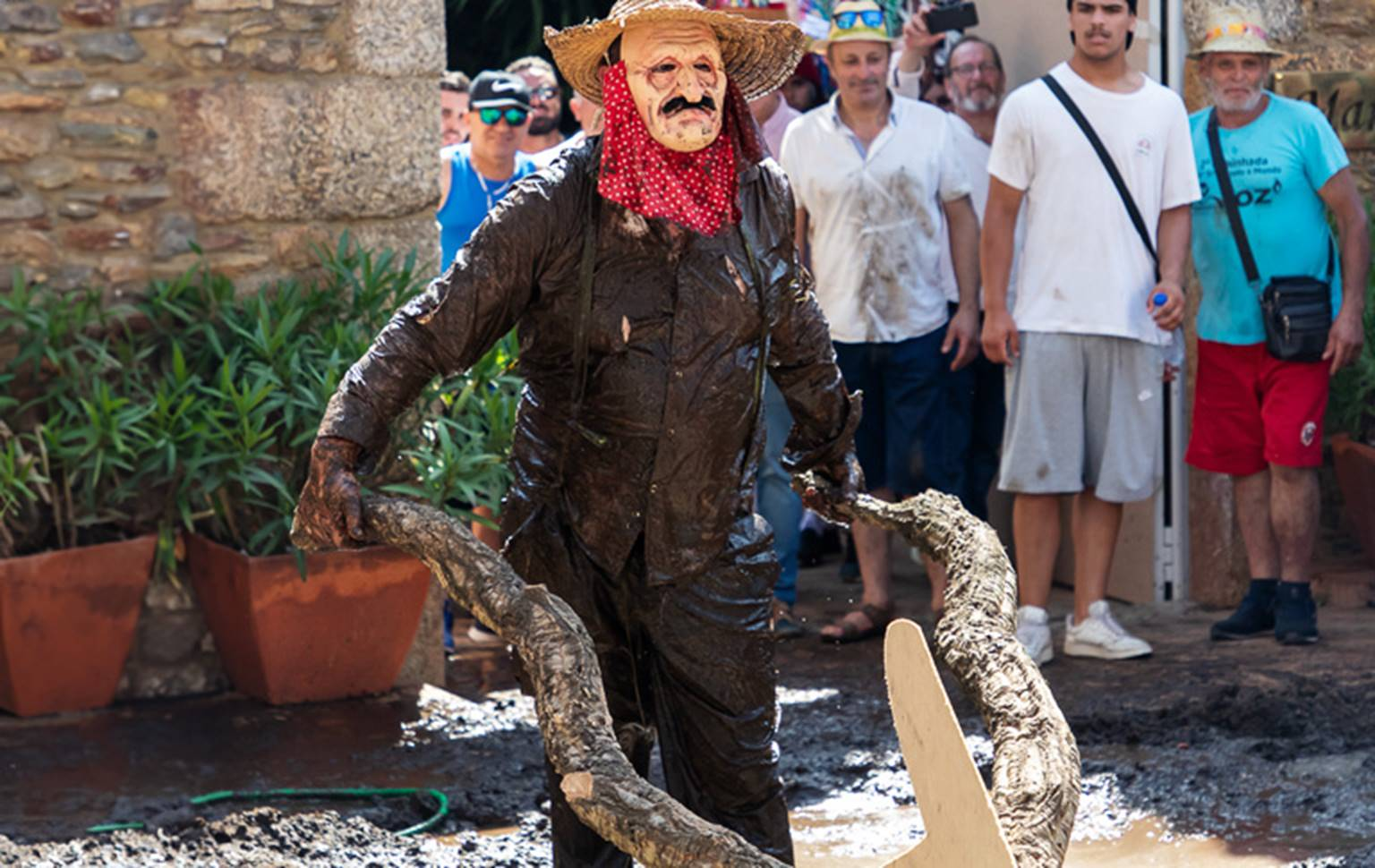
The Ploughman drives the plough through the square, opening furrows in the muddy earth. He represents the worker of the land and the beginning of the agricultural cycle in the Ploughing of the Square.
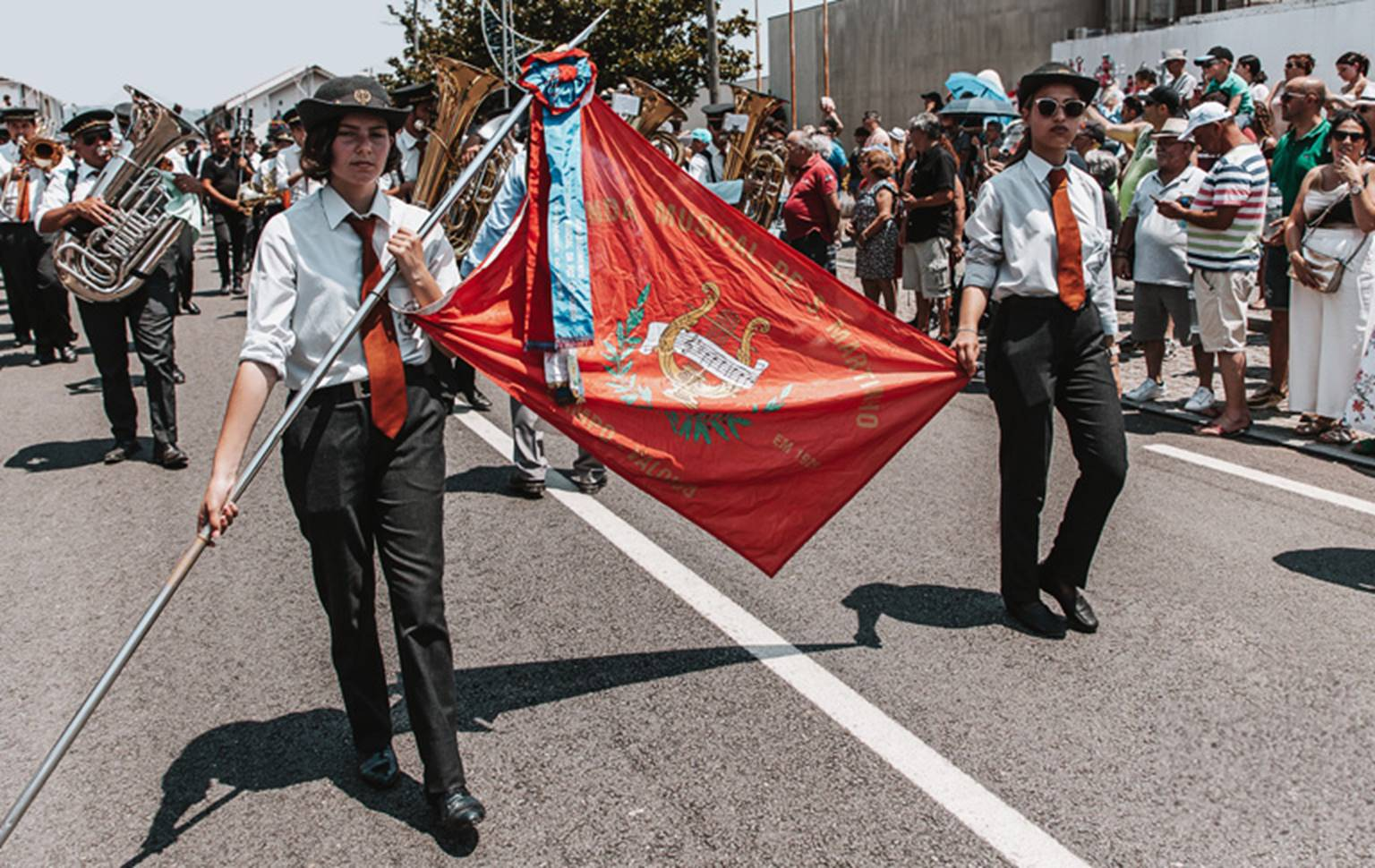
The Musical Band
The Musical Band of São Martinho de Campo accompanies the festivities, providing the soundtrack for the processions and solemn moments throughout Saint John's Day.
With its red banner at the front, the band parades through the streets of Sobrado, alternating festive music with processional marches that mark the different moments of the celebration.
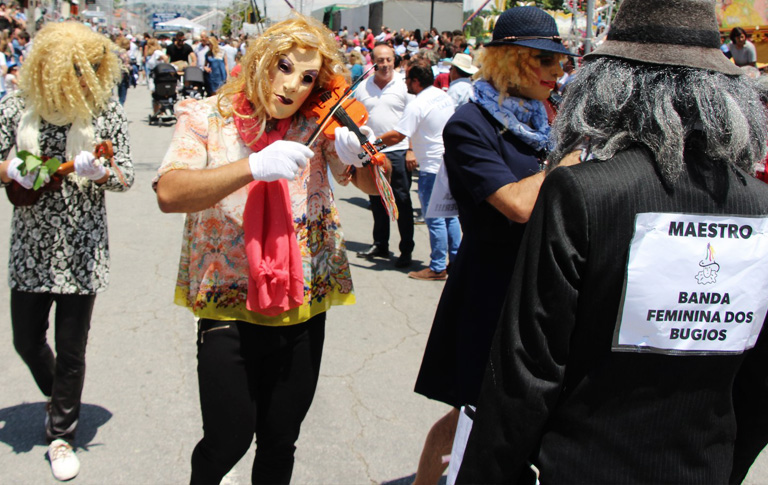
The Entrajadas
The Entrajadas (or Estardalhadas) are masked female figures who play violins and other instruments in a burlesque manner, parodying an orchestra.
With blonde wigs, masks and extravagant costumes, the Entrajadas add an element of humour and musical irreverence to the festivities, being one of the most photographed figures by visitors.